Most of the time, businesses do not face data issues.
Instead, they face challenges with large volumes of data and limited understanding.
Your ERP system already records all the data - sales transactions, vendor payments, inventory movements, project costs, customer behavior, and more. However, when management raises trivial queries such as “Which product line is really generating profits?” or “What caused the drop in margins last quarter?”, they still receive answers after several days. Sometimes, even weeks.
The finance department exports reports. The Operations department verifies the figures. Someone would have to say, “The numbers don’t correspond with mine.” By the time a decision is made, the right moment to act has often passed.
This is where AI-driven analytics makes a difference. It is particularly so when combined with Enterprise Resource Planning (ERP) tools such as NetSuite and Microsoft Dynamics. The advantage does not come from data collection. It is finally using the data you have already collected.
Why is ERP data alone no longer enough?
ERPs are great systems of record. Their primary function is to process transactions with precision and consistency. However, they were not positioned to provide instant answers to strategic issues.
Some usual restrictions that firms encounter with reporting from ERP systems include:
- Static, pre-built reports that don’t adapt to new questions
- Heavy dependence on IT or finance teams for custom queries
- Limited ability to combine ERP data with external sources
- Minimal forecasting or predictive insight
The faster businesses grow, the faster decisions must be made than ERP reports can show; that is where modern BI platforms, especially those with embedded AI and machine learning capabilities, come into play.
The real role of BI platforms in ERP ecosystems
BI platforms will not substitute your ERP. They will, however, stay alongside it.
Imagine NetSuite or Dynamics as the powerhouse, and BI as the display board. The powerhouse is strong, yet if there is no clear display, you are driving without vision.
Modern BI platforms:
- Pull data from multiple ERP modules in real time
- Clean and model data for analysis
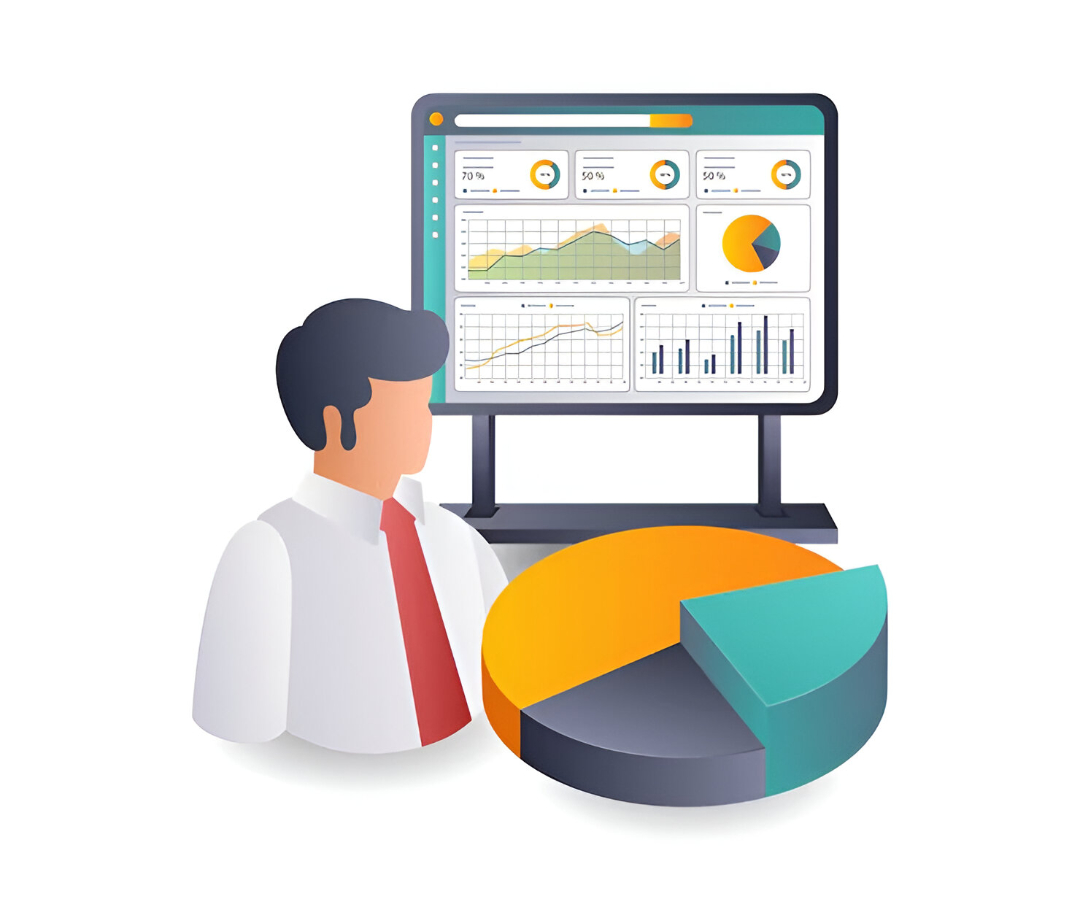
- Visualise insights in intuitive dashboards
- Apply AI to detect patterns humans often miss
If BI is properly applied, it will transform ERP operational records into strategic intelligence.
What AI brings to analytics that traditional BI cannot
Conventional BI only makes clear what took place.
Conversely, AI analytics provide an explanation for the event and predict the next occurrence.
Thereby, AI contributes to the understanding in such a way:
- Pattern recognition: AI recognizes the trends that are prevalent in thousands of variables, which would be impossible to see by human analysis
- Anomaly detection: Any unexpected increase or decrease is notified automatically
- Predictive forecasting: Revenue, demand, and cash flow projections are becoming more precise
- Natural language queries: Executives can put their queries in simple words rather than composing complex queries
For companies using NetSuite or Dynamics, this implies less time interpreting reports and more time acting on insights.
Unlocking value from NetSuite data with AI analytics
Fast-growing businesses widely use NetSuite because of its flexibility and cloud-native design. But many companies barely scratch the surface of the data it generates.
AI-powered BI tools connected to NetSuite can:
- Analyse customer lifetime value across sales, billing, and renewals
- Predict cash flow risks based on historical payment behaviour
- Identify inventory slow-movers before they impact margins
- Highlight profitability at a granular level, not just at company-wide summaries
Instead of reacting to monthly reports, teams can spot issues while there’s still time to course-correct.
Making sense of Dynamics data beyond standard dashboards
Microsoft Dynamics users are in the same position regarding data and insights. The data is rich, but the insights are often kept siloed within finance, supply chain, and operations.
When AI-driven BI platforms are implemented over Dynamics:
- The financial and operational data will be composed in a single view
- Variance analysis will be automatic rather than manual
- Forecasts will adjust dynamically as new data comes in
- Department heads will have access to insights relevant to them, rather than being provided with generic reports
The integration of Dynamics with the Microsoft ecosystem is so deep that it has made analytics adoption easier, especially when combined with familiar tools such as Power BI and Azure-based AI services.
The Dynamics analytics stack, supported by Microsoft, also offers enterprise-grade security and scalability, which is significant as data volumes rise.
Moving from descriptive to predictive decision-making
The biggest shift AI-driven analytics enables is moving from hindsight to foresight.
Instead of asking:
Teams start asking:
- “What is likely to happen next?”
- “Where should we intervene early?”
Examples include:
- Forecasting demand spikes before inventory runs out
- Predicting delayed payments before cash flow is affected
- Identifying customers at risk of churn based on behaviour patterns
These insights are not theoretical. They are drawn directly from your ERP data and interpreted by AI models that learn over time.
Common pitfalls when implementing BI for ERP data
Despite the promise, many analytics initiatives fail to deliver value. The reasons are surprisingly consistent:
- Poor data modelling leads to misleading insights
- Dashboards focus on vanity metrics instead of business outcomes
- AI features are enabled without proper context or governance
- Business users are overwhelmed with too many reports
Successful AI-driven analytics is not about more dashboards. It’s about the right dashboards, designed around real decisions.
Best practices to get analytics right from day one
To truly unlock ERP data value:
- Start with business questions, not tools
- Clean and standardise ERP data before layering AI
- Prioritise a few high-impact use cases
- Ensure analytics is accessible to non-technical users
- Continuously refine models as the business evolves
This is where experience matters. ERP data structures are complex, and AI analytics needs to respect that complexity without amplifying it.
The bigger picture: analytics as a competitive advantage
In competitive markets only, intuition remains insufficient. The companies that consistently outperform their rivals are those that spot trends early, respond quickly, act on their data, make the right decisions, and so on.
BI platforms powered by AI make both NetSuite and Dynamics the transaction engine and, at the same time, the professional's tool for strategy, thereby actively supporting, guiding, and directing the business.
Final thoughts
AI-based analytics are no longer seen as an option for ERP-led businesses, but as a core element for maximizing resource utilization at minimum cost and entering future markets with less hassle.
The selection of a practised BI platform is not the primary factor that sets the company apart; rather, it is the degree of alignment between the selected platform and the ERP data, business processes, and decision-making style. Such a conformance entails both technical expertise and business insight.
This is precisely where Codinix, which primarily comprises highly skilled analytics and ERP professionals, comes in. They attract organizations to NetSuite and Dynamics not through those flashy dashboards but through practical insights that help turn data into decisions with real conviction.
Ultimately, the issue is not with large amounts of data or sophisticated tools. What is intended is the clarification of questions, the speed of actions, and the availability of decisions that are supported by confidence.































Leave Your Thoughts!!