Modernizing ERP: How Companies Migrated to Dynamics 365
Modernizing ERP: How Companies Migrated to Dynamics 365
By Admin
15 Jan , 2026
Microsoft Dynamics
A diversified enterprise group with operations spanning industrial manufacturing, field services, and B2B distribution had reached a critical inflection point in its digital maturity. Over a decade of rapid expansion, acquisitions, and regional growth had left the organisation operating on a patchwork of legacy ERP systems.
The various business units were using different editions of on-premises ERP platforms, each enhanced with local customisations and stand-alone reporting systems. Although these systems were utilized in the past to serve individual teams, they had now become a stumbling block to enterprise-wide coordination and strategic planning.
The group lacked a coherent picture of financial performance, project profitability, and supply chain efficiency due to leadership. The lengthy manual consolidation and reconciliation of system data took too long, resulting in monthly reports delivered with close deadlines. Repeated upgrades to technological processes were driven by the fear of disrupting the business and led the organisation to face increased security, compliance, and operational risks.
The constraints of the traditional ERP environment became a strategic disadvantage as pressure to compete intensified and digital-native suppliers emerged with higher customer expectations.
To address these challenges, the organisation collaborated with Codinix Technologies to modernise its ERP environment by systematically migrating to Microsoft Dynamics 365. It was not just a replacement of old systems, but also a common operational language across the group-wide to allow cross-entity visibility, standardised processes, and real-time intelligence to aid faster, better-informed decision-making.
Project Objectives
The strategic choice of the modernisation programme was business resilience and operational alignment over the long term as opposed to an outright platform swap. Codinix had been contracted to provide the following deliverables:
Establish Microsoft Dynamics 365 as a unified ERP platform across all business units
Harmonise finance, supply chain, service operations, and project accounting processes
Enable group-level performance visibility with real-time reporting and analytics
Reduce operational friction caused by manual handoffs and system fragmentation
Improve security posture, governance, and compliance through cloud-native controls
Create a flexible ERP foundation to support acquisitions and rapid expansion
Key Challenges
The outdated ERP infrastructure created structural issues that could not be addressed with incremental upgrades:
Disparate Operating Models: Business units followed different ERP workflows and data definitions, making group-level reporting unreliable.
Post-Merger System Sprawl: Acquisitions introduced new ERP instances that were never fully integrated.
Delayed Performance Visibility: Leadership relied on retrospective reports rather than real-time operational intelligence.
Data Quality & Governance Tooling: Validation frameworks and audit trails embedded into ERP workflows
Our Solution & Approach
Codinix delivered the ERP modernisation through a transformation programme focused on operational alignment, not just technical migration.
Enterprise Process Blueprinting
Codinix held a cross-functional, cross-system alignment exercise before any system migration. Maps and rationalisation of core processes were conducted across finance, procurement, service delivery, and project accounting to develop a common operating model. This ensured that Dynamics 365 was deployed as a standardised enterprise platform rather than a set of localised versions.
Staged ERP Migration Strategy
Codinix adopted a phased migration rather than a high-risk cutover. Business units were boarded in batches based on their operational significance and preparedness. This enabled the experience of initial rollouts to be internalized in the later rollouts, minimizing risk and enhancing time-to-value.
Legacy Decommissioning & Technical Debt Reduction
Custom code and legacy integrations were systematically checked and either retired or changed with native Dynamics 365 features. This greatly decreased the technical debt and made it easier to upscale in the future to enable the organisation to keep up with the release schedule of Microsoft.
Embedded Intelligence for Leadership
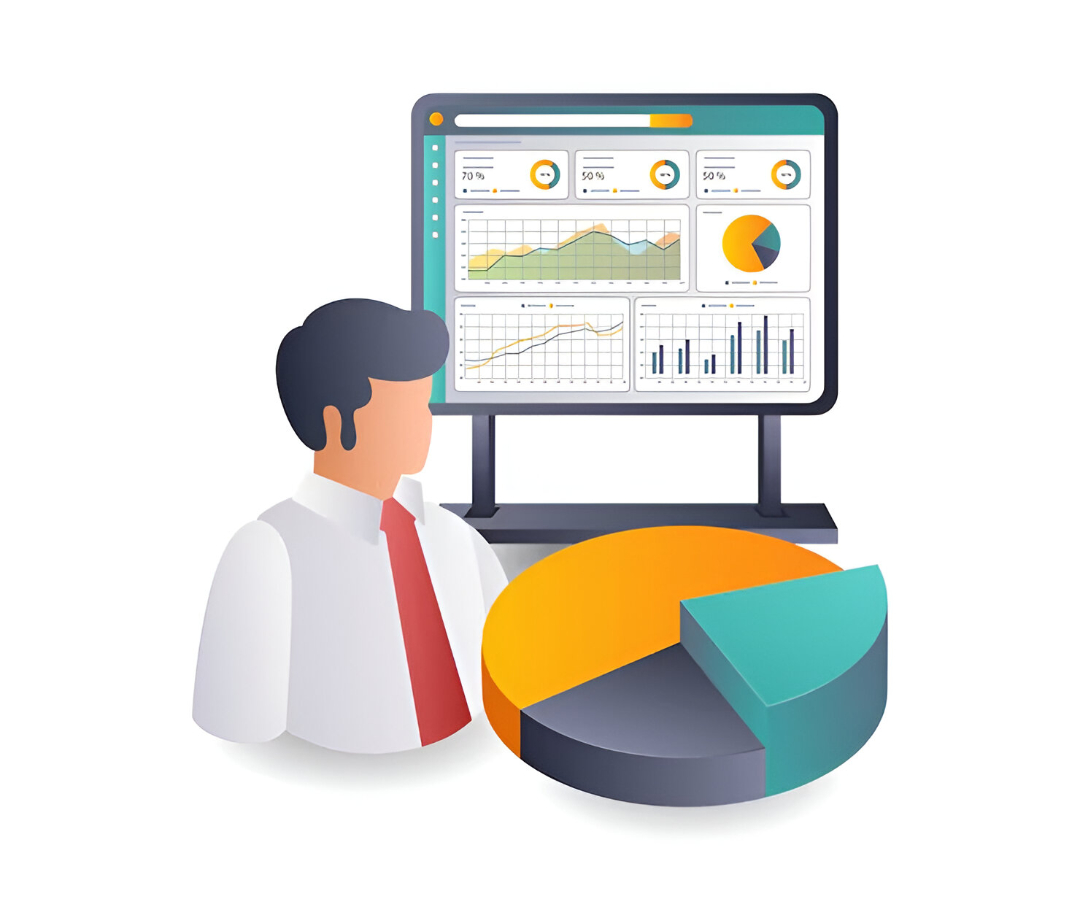
Dynamics 365 was configured with embedded analytics and Power BI dashboards that aligned directly to leadership KPIs. Executives gained real-time visibility into cash flow, project margins, service backlog, and supply chain performance, shifting decision-making from retrospective reviews to proactive performance management.
Operational Resilience & Business Continuity
Codinix designed the cutover strategy to protect critical business operations. Parallel runs, data reconciliation checkpoints, and fallback mechanisms were implemented to ensure continuity of financial operations, invoicing, and customer fulfilment throughout the migration.
Change Enablement & Capability Building
A structured enablement programme supported behavioural change across the organisation. Role-based training, super-user networks, and post-go-live support ensured that teams adopted standardised workflows rather than reverting to legacy workarounds.
Results & Business Impact
The ERP modernisation programme delivered durable business outcomes:
Faster close and reporting cycles, improving leadership responsiveness
Reduction in customisation footprint, lowering long-term ERP maintenance risk
Improved cross-entity collaboration enabled by standardised processes
Stronger security and compliance posture through cloud-native governance
ERP scalability to support acquisitions, enabling rapid integration of new business units
The organisation transitioned from a fragmented ERP landscape to a unified operational backbone capable of supporting complex, multi-entity operations.
Conclusion
The migration to Microsoft Dynamics 365 was a strategic reinvention of the organisation's ERP strategy. Codinix assisted the enterprise in creating a common operating model built around a cloud-native ERP platform, rather than introducing legacy complexity to a new platform. The transformation provided over system modernisation provided alignment of leadership, operational resilience and data-driven governance throughout the group.
Standardisation, staged migration, and change enablement enabled the organisation to achieve ERP modernisation without interfering with key business processes. Continuous improvement, digital integration, and scalable growth now rely on the new Dynamics 365 platform.

































Leave Your Thoughts!!